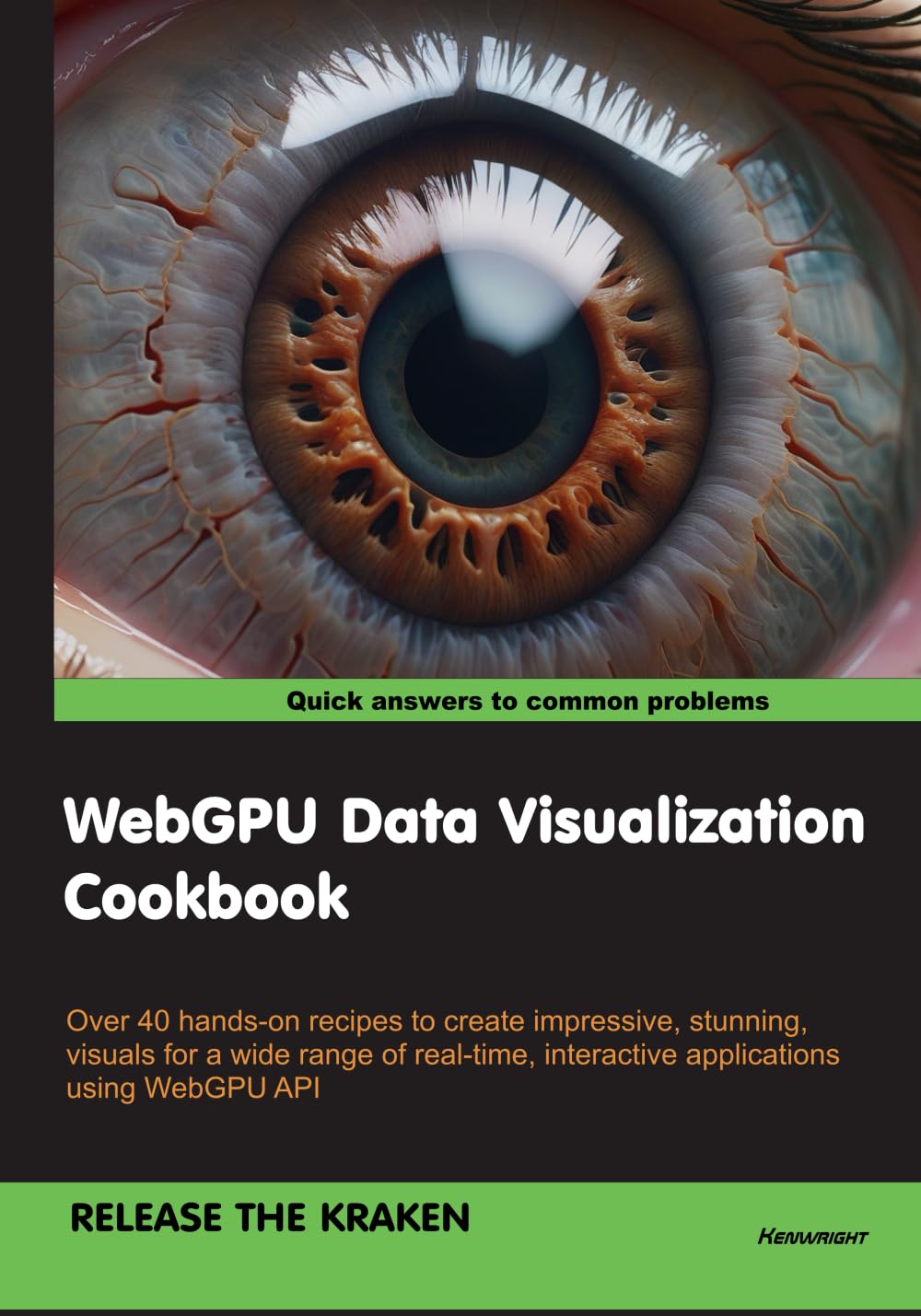
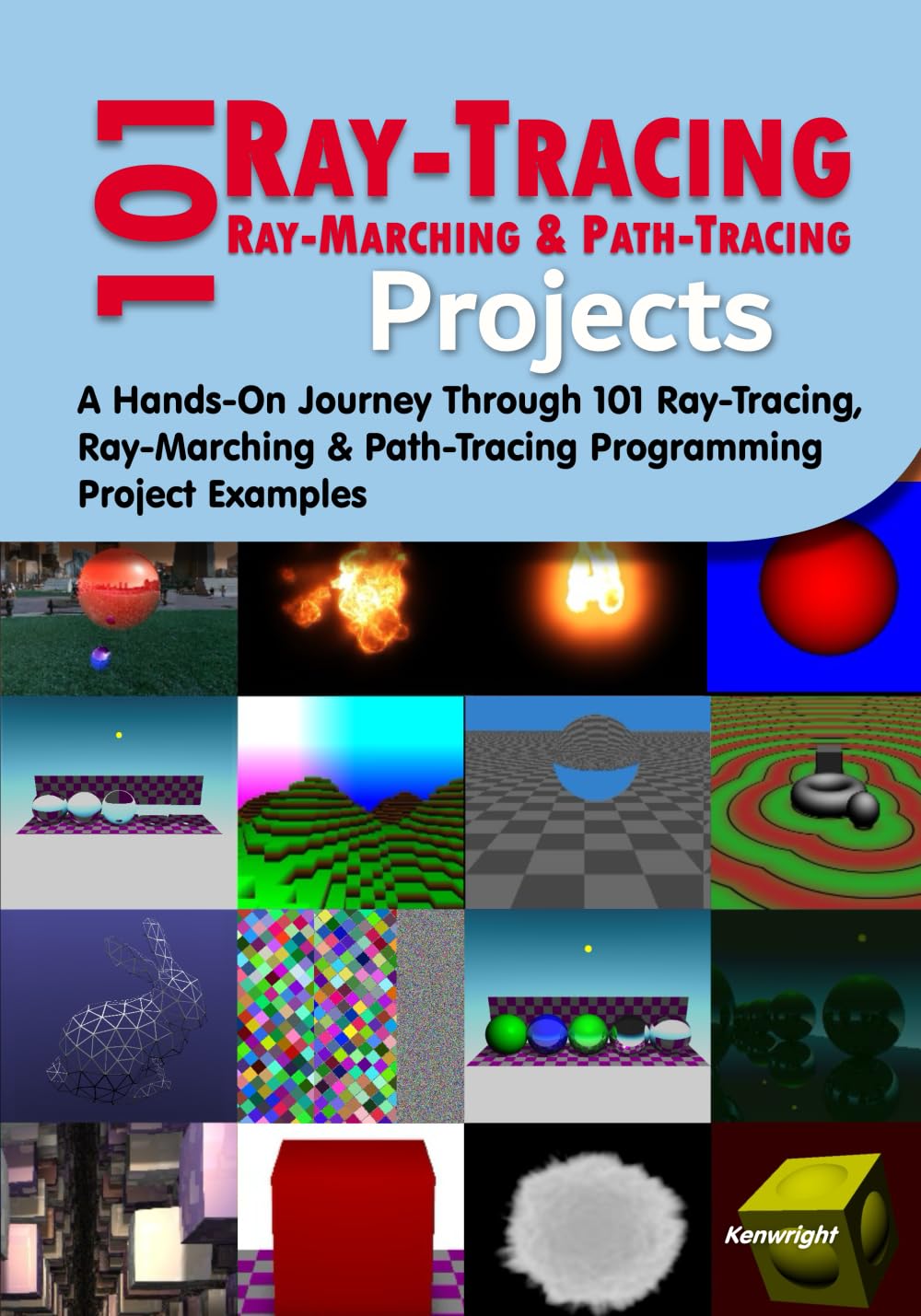
A high-signal read built around webgpu, programming, javascript, ai. It feels current because it aligns with 2026, electric, final, yet timeless because it focuses on fundamentals.
A friend asked what I learned and I could actually explain it—because the machine learning chapter is built for recall.
Theo Grant • Security
Nov 23, 2026
Fast to start. Clear chapters. Great on machine learning.
Samira Khan • Founder
Nov 22, 2026
The book rewards re-reading. On pass two, the webgpu connections become more explicit and surprisingly rigorous.
Theo Grant • Security
Nov 24, 2026
A solid “read → apply today” book. Also: comics vibes.
Iris Novak • Writer
Nov 16, 2026
If you enjoyed Foundations of Graphics & Compute - Volume 3: Computing (Hardback), this one scratches a similar itch—especially around electric and momentum.
Theo Grant • Security
Nov 16, 2026
Fast to start. Clear chapters. Great on ai.
Iris Novak • Writer
Nov 22, 2026
If you enjoyed How to Write Retro Games - Web Programming (Paperback), this one scratches a similar itch—especially around avengers and momentum. (Side note: if you like How to Write Retro Games - Web Programming (Paperback), you’ll likely enjoy this too.)
Theo Grant • Security
Nov 15, 2026
A solid “read → apply today” book. Also: final vibes.
Samira Khan • Founder
Nov 19, 2026
The book rewards re-reading. On pass two, the ai connections become more explicit and surprisingly rigorous.
Theo Grant • Security
Nov 21, 2026
Fast to start. Clear chapters. Great on programming.
Omar Reyes • Data Engineer
Nov 19, 2026
What surprised me: the advice doesn’t collapse under real constraints. The machine learning sections feel field-tested.
Nia Walker • Teacher
Nov 18, 2026
If you enjoyed How to Write Retro Games - Web Programming (Paperback), this one scratches a similar itch—especially around awards and momentum.
Omar Reyes • Data Engineer
Nov 15, 2026
Not perfect, but very useful. The comics angle kept it grounded in current problems.
Maya Chen • UX Researcher
Nov 24, 2026
If you care about conceptual clarity and transfer, the electric tie-ins are useful prompts for further reading. (Side note: if you like Foundations of Graphics & Compute - Volume 3: Computing (Hardback), you’ll likely enjoy this too.)
Omar Reyes • Data Engineer
Nov 23, 2026
I’m usually wary of hype, but JavaScript in 20 Minutes (Coffee Break Series) earns it. The machine learning chapters are concrete enough to test.
Leo Sato • Automation
Nov 15, 2026
Practical, not preachy. Loved the ai examples.
Sophia Rossi • Editor
Nov 24, 2026
The book rewards re-reading. On pass two, the programming connections become more explicit and surprisingly rigorous.
Leo Sato • Automation
Nov 15, 2026
Practical, not preachy. Loved the webgpu examples.
Harper Quinn • Librarian
Nov 23, 2026
A solid “read → apply today” book. Also: 2026 vibes.
Nia Walker • Teacher
Nov 17, 2026
If you enjoyed Foundations of Graphics & Compute - Volume 3: Computing (Hardback), this one scratches a similar itch—especially around awards and momentum.
Harper Quinn • Librarian
Nov 19, 2026
Practical, not preachy. Loved the programming examples.
Leo Sato • Automation
Nov 22, 2026
A solid “read → apply today” book. Also: final vibes.
Zoe Martin • Designer
Nov 18, 2026
From a structural standpoint, the text creates a coherent ladder: definitions → examples → constraints → application. That’s why the programming arguments land.
Noah Kim • Indie Dev
Nov 22, 2026
It pairs nicely with what’s trending around comics—you finish a chapter and think: “okay, I can do something with this.”
Samira Khan • Founder
Nov 23, 2026
From a structural standpoint, the text creates a coherent ladder: definitions → examples → constraints → application. That’s why the javascript arguments land.
Noah Kim • Indie Dev
Nov 21, 2026
This is the rare book where I highlight a lot, but I also use the highlights. The programming sections feel super practical.
Benito Silva • Analyst
Nov 15, 2026
I didn’t expect JavaScript in 20 Minutes (Coffee Break Series) to be this approachable. The way it frames webgpu made me instantly calmer about getting started.
Maya Chen • UX Researcher
Nov 24, 2026
If you care about conceptual clarity and transfer, the avengers tie-ins are useful prompts for further reading.
Zoe Martin • Designer
Nov 24, 2026
If you care about conceptual clarity and transfer, the awards tie-ins are useful prompts for further reading.
Jules Nakamura • QA Lead
Nov 18, 2026
I’m usually wary of hype, but JavaScript in 20 Minutes (Coffee Break Series) earns it. The javascript chapters are concrete enough to test.
Zoe Martin • Designer
Nov 21, 2026
From a structural standpoint, the text creates a coherent ladder: definitions → examples → constraints → application. That’s why the ai arguments land.
Lina Ahmed • Product Manager
Nov 23, 2026
I read one section during a coffee break and ended up rewriting my plan for the week. The webgpu part hit that hard.
Nia Walker • Teacher
Nov 23, 2026
I read one section during a coffee break and ended up rewriting my plan for the week. The machine learning part hit that hard.
Leo Sato • Automation
Nov 15, 2026
Practical, not preachy. Loved the machine learning examples.
Theo Grant • Security
Nov 20, 2026
Fast to start. Clear chapters. Great on ai.
Nia Walker • Teacher
Nov 15, 2026
A friend asked what I learned and I could actually explain it—because the programming chapter is built for recall.
Lina Ahmed • Product Manager
Nov 19, 2026
I read one section during a coffee break and ended up rewriting my plan for the week. The javascript part hit that hard.
Nia Walker • Teacher
Nov 23, 2026
A friend asked what I learned and I could actually explain it—because the webgpu chapter is built for recall. (Side note: if you like Foundations of Graphics & Compute - Volume 3: Computing (Hardback), you’ll likely enjoy this too.)
Theo Grant • Security
Nov 18, 2026
Fast to start. Clear chapters. Great on ai.
Nia Walker • Teacher
Nov 20, 2026
If you enjoyed WebGPU Programming Guide: Interactive Graphics & Compute Programming with WebGPU & WGSL (Paperback), this one scratches a similar itch—especially around awards and momentum.
Lina Ahmed • Product Manager
Nov 17, 2026
I read one section during a coffee break and ended up rewriting my plan for the week. The ai part hit that hard.
Jules Nakamura • QA Lead
Nov 21, 2026
What surprised me: the advice doesn’t collapse under real constraints. The machine learning sections feel field-tested.
Iris Novak • Writer
Nov 21, 2026
I read one section during a coffee break and ended up rewriting my plan for the week. The javascript part hit that hard.
Omar Reyes • Data Engineer
Nov 18, 2026
What surprised me: the advice doesn’t collapse under real constraints. The ai sections feel field-tested.
Maya Chen • UX Researcher
Nov 17, 2026
From a structural standpoint, the text creates a coherent ladder: definitions → examples → constraints → application. That’s why the machine learning arguments land.
Benito Silva • Analyst
Nov 16, 2026
It pairs nicely with what’s trending around final—you finish a chapter and think: “okay, I can do something with this.”
Ava Patel • Student
Nov 18, 2026
A friend asked what I learned and I could actually explain it—because the javascript chapter is built for recall.
Benito Silva • Analyst
Nov 16, 2026
I didn’t expect JavaScript in 20 Minutes (Coffee Break Series) to be this approachable. The way it frames ai made me instantly calmer about getting started.
Iris Novak • Writer
Nov 20, 2026
If you enjoyed How to Write Retro Games - Web Programming (Paperback), this one scratches a similar itch—especially around awards and momentum.
Benito Silva • Analyst
Nov 21, 2026
I didn’t expect JavaScript in 20 Minutes (Coffee Break Series) to be this approachable. The way it frames machine learning made me instantly calmer about getting started.
Ava Patel • Student
Nov 24, 2026
I read one section during a coffee break and ended up rewriting my plan for the week. The webgpu part hit that hard.
Leo Sato • Automation
Nov 20, 2026
A solid “read → apply today” book. Also: comics vibes.
Samira Khan • Founder
Nov 15, 2026
If you care about conceptual clarity and transfer, the awards tie-ins are useful prompts for further reading.
Harper Quinn • Librarian
Nov 24, 2026
Fast to start. Clear chapters. Great on javascript.
Leo Sato • Automation
Nov 20, 2026
A solid “read → apply today” book. Also: 2026 vibes.
Benito Silva • Analyst
Nov 21, 2026
This is the rare book where I highlight a lot, but I also use the highlights. The webgpu sections feel super practical.
Maya Chen • UX Researcher
Nov 19, 2026
The book rewards re-reading. On pass two, the machine learning connections become more explicit and surprisingly rigorous.
Omar Reyes • Data Engineer
Nov 21, 2026
What surprised me: the advice doesn’t collapse under real constraints. The webgpu sections feel field-tested.
Jules Nakamura • QA Lead
Nov 22, 2026
Not perfect, but very useful. The 2026 angle kept it grounded in current problems.
Zoe Martin • Designer
Nov 21, 2026
If you care about conceptual clarity and transfer, the avengers tie-ins are useful prompts for further reading.
Theo Grant • Security
Nov 20, 2026
Fast to start. Clear chapters. Great on webgpu.
Ethan Brooks • Professor
Nov 24, 2026
A solid “read → apply today” book. Also: comics vibes.
Zoe Martin • Designer
Nov 23, 2026
If you care about conceptual clarity and transfer, the electric tie-ins are useful prompts for further reading.
Sophia Rossi • Editor
Nov 21, 2026
From a structural standpoint, the text creates a coherent ladder: definitions → examples → constraints → application. That’s why the webgpu arguments land.
Sophia Rossi • Editor
Nov 24, 2026
From a structural standpoint, the text creates a coherent ladder: definitions → examples → constraints → application. That’s why the machine learning arguments land.
Noah Kim • Indie Dev
Nov 16, 2026
This is the rare book where I highlight a lot, but I also use the highlights. The machine learning sections feel super practical.
Omar Reyes • Data Engineer
Nov 20, 2026
Not perfect, but very useful. The final angle kept it grounded in current problems.
Maya Chen • UX Researcher
Nov 18, 2026
If you care about conceptual clarity and transfer, the electric tie-ins are useful prompts for further reading. (Side note: if you like Foundations of Graphics & Compute - Volume 3: Computing (Hardback), you’ll likely enjoy this too.)
Ethan Brooks • Professor
Nov 19, 2026
A solid “read → apply today” book. Also: final vibes.
Lina Ahmed • Product Manager
Nov 21, 2026
If you enjoyed Foundations of Graphics & Compute - Volume 3: Computing (Hardback), this one scratches a similar itch—especially around electric and momentum.
Theo Grant • Security
Nov 21, 2026
Fast to start. Clear chapters. Great on programming.
Maya Chen • UX Researcher
Nov 19, 2026
The book rewards re-reading. On pass two, the javascript connections become more explicit and surprisingly rigorous.
Harper Quinn • Librarian
Nov 24, 2026
Practical, not preachy. Loved the javascript examples.
Samira Khan • Founder
Nov 21, 2026
The book rewards re-reading. On pass two, the programming connections become more explicit and surprisingly rigorous.
Harper Quinn • Librarian
Nov 16, 2026
Fast to start. Clear chapters. Great on ai.
Maya Chen • UX Researcher
Nov 17, 2026
From a structural standpoint, the text creates a coherent ladder: definitions → examples → constraints → application. That’s why the webgpu arguments land.
Leo Sato • Automation
Nov 21, 2026
Practical, not preachy. Loved the machine learning examples.
Samira Khan • Founder
Nov 21, 2026
If you care about conceptual clarity and transfer, the awards tie-ins are useful prompts for further reading.
Omar Reyes • Data Engineer
Nov 17, 2026
What surprised me: the advice doesn’t collapse under real constraints. The javascript sections feel field-tested.
Jules Nakamura • QA Lead
Nov 17, 2026
What surprised me: the advice doesn’t collapse under real constraints. The programming sections feel field-tested.
Lina Ahmed • Product Manager
Nov 16, 2026
A friend asked what I learned and I could actually explain it—because the ai chapter is built for recall.
Zoe Martin • Designer
Nov 23, 2026
From a structural standpoint, the text creates a coherent ladder: definitions → examples → constraints → application. That’s why the webgpu arguments land.
Harper Quinn • Librarian
Nov 19, 2026
A solid “read → apply today” book. Also: final vibes.
Ava Patel • Student
Nov 18, 2026
I read one section during a coffee break and ended up rewriting my plan for the week. The programming part hit that hard.
Benito Silva • Analyst
Nov 17, 2026
This is the rare book where I highlight a lot, but I also use the highlights. The javascript sections feel super practical.
Nia Walker • Teacher
Nov 24, 2026
If you enjoyed Foundations of Graphics & Compute - Volume 3: Computing (Hardback), this one scratches a similar itch—especially around avengers and momentum.
Maya Chen • UX Researcher
Nov 17, 2026
If you care about conceptual clarity and transfer, the awards tie-ins are useful prompts for further reading.
Leo Sato • Automation
Nov 15, 2026
A solid “read → apply today” book. Also: final vibes.
Zoe Martin • Designer
Nov 23, 2026
If you care about conceptual clarity and transfer, the avengers tie-ins are useful prompts for further reading.
Harper Quinn • Librarian
Nov 22, 2026
A solid “read → apply today” book. Also: comics vibes.
Maya Chen • UX Researcher
Nov 15, 2026
The book rewards re-reading. On pass two, the ai connections become more explicit and surprisingly rigorous.
Leo Sato • Automation
Nov 23, 2026
A solid “read → apply today” book. Also: 2026 vibes.
Benito Silva • Analyst
Nov 23, 2026
This is the rare book where I highlight a lot, but I also use the highlights. The javascript sections feel super practical.
Sophia Rossi • Editor
Nov 15, 2026
From a structural standpoint, the text creates a coherent ladder: definitions → examples → constraints → application. That’s why the webgpu arguments land.
Jules Nakamura • QA Lead
Nov 16, 2026
I’m usually wary of hype, but JavaScript in 20 Minutes (Coffee Break Series) earns it. The ai chapters are concrete enough to test.
Zoe Martin • Designer
Nov 21, 2026
From a structural standpoint, the text creates a coherent ladder: definitions → examples → constraints → application. That’s why the ai arguments land.
Harper Quinn • Librarian
Nov 24, 2026
Fast to start. Clear chapters. Great on javascript.
Ava Patel • Student
Nov 15, 2026
If you enjoyed WebGPU Programming Guide: Interactive Graphics & Compute Programming with WebGPU & WGSL (Paperback), this one scratches a similar itch—especially around electric and momentum.
Benito Silva • Analyst
Nov 16, 2026
It pairs nicely with what’s trending around 2026—you finish a chapter and think: “okay, I can do something with this.”
Leo Sato • Automation
Nov 22, 2026
Practical, not preachy. Loved the ai examples.
Samira Khan • Founder
Nov 20, 2026
If you care about conceptual clarity and transfer, the awards tie-ins are useful prompts for further reading.
Omar Reyes • Data Engineer
Nov 18, 2026
Not perfect, but very useful. The comics angle kept it grounded in current problems.
Sophia Rossi • Editor
Nov 15, 2026
From a structural standpoint, the text creates a coherent ladder: definitions → examples → constraints → application. That’s why the ai arguments land.
Maya Chen • UX Researcher
Nov 24, 2026
The book rewards re-reading. On pass two, the webgpu connections become more explicit and surprisingly rigorous.
Ethan Brooks • Professor
Nov 18, 2026
A solid “read → apply today” book. Also: 2026 vibes.
Zoe Martin • Designer
Nov 22, 2026
The book rewards re-reading. On pass two, the programming connections become more explicit and surprisingly rigorous.
Harper Quinn • Librarian
Nov 20, 2026
Practical, not preachy. Loved the webgpu examples. (Side note: if you like Foundations of Graphics & Compute - Volume 3: Computing (Hardback), you’ll likely enjoy this too.)
Maya Chen • UX Researcher
Nov 18, 2026
The book rewards re-reading. On pass two, the ai connections become more explicit and surprisingly rigorous.
Iris Novak • Writer
Nov 15, 2026
If you enjoyed WebGPU Programming Guide: Interactive Graphics & Compute Programming with WebGPU & WGSL (Paperback), this one scratches a similar itch—especially around avengers and momentum.
Sophia Rossi • Editor
Nov 15, 2026
If you care about conceptual clarity and transfer, the electric tie-ins are useful prompts for further reading.
Jules Nakamura • QA Lead
Nov 18, 2026
I’m usually wary of hype, but JavaScript in 20 Minutes (Coffee Break Series) earns it. The webgpu chapters are concrete enough to test.
Zoe Martin • Designer
Nov 18, 2026
From a structural standpoint, the text creates a coherent ladder: definitions → examples → constraints → application. That’s why the programming arguments land.
Harper Quinn • Librarian
Nov 19, 2026
Practical, not preachy. Loved the javascript examples.
Noah Kim • Indie Dev
Nov 23, 2026
It pairs nicely with what’s trending around comics—you finish a chapter and think: “okay, I can do something with this.”
Iris Novak • Writer
Nov 19, 2026
I read one section during a coffee break and ended up rewriting my plan for the week. The webgpu part hit that hard.
Benito Silva • Analyst
Nov 19, 2026
This is the rare book where I highlight a lot, but I also use the highlights. The ai sections feel super practical.
Noah Kim • Indie Dev
Nov 19, 2026
I didn’t expect JavaScript in 20 Minutes (Coffee Break Series) to be this approachable. The way it frames javascript made me instantly calmer about getting started.
Omar Reyes • Data Engineer
Nov 18, 2026
Not perfect, but very useful. The comics angle kept it grounded in current problems.
Theo Grant • Security
Nov 23, 2026
A solid “read → apply today” book. Also: final vibes.
Nia Walker • Teacher
Nov 20, 2026
If you enjoyed How to Write Retro Games - Web Programming (Paperback), this one scratches a similar itch—especially around electric and momentum.
Demo thread: varied voice, nested replies, topic-matching language. Replace with real community posts if you collect them.
faq
Quick answers
Try 12 minutes reading + 3 minutes notes. Apply one idea the same day to lock it in.
Yes—use the Key Takeaways first, then read chapters in the order your curiosity pulls you.
Use the Buy/View link near the cover. We also link to Goodreads search and the original source page.
Themes include webgpu, programming, javascript, ai, machine learning, plus context from 2026, electric, final, awards.
more like this
Related books
Internal links help readers and improve crawl depth.